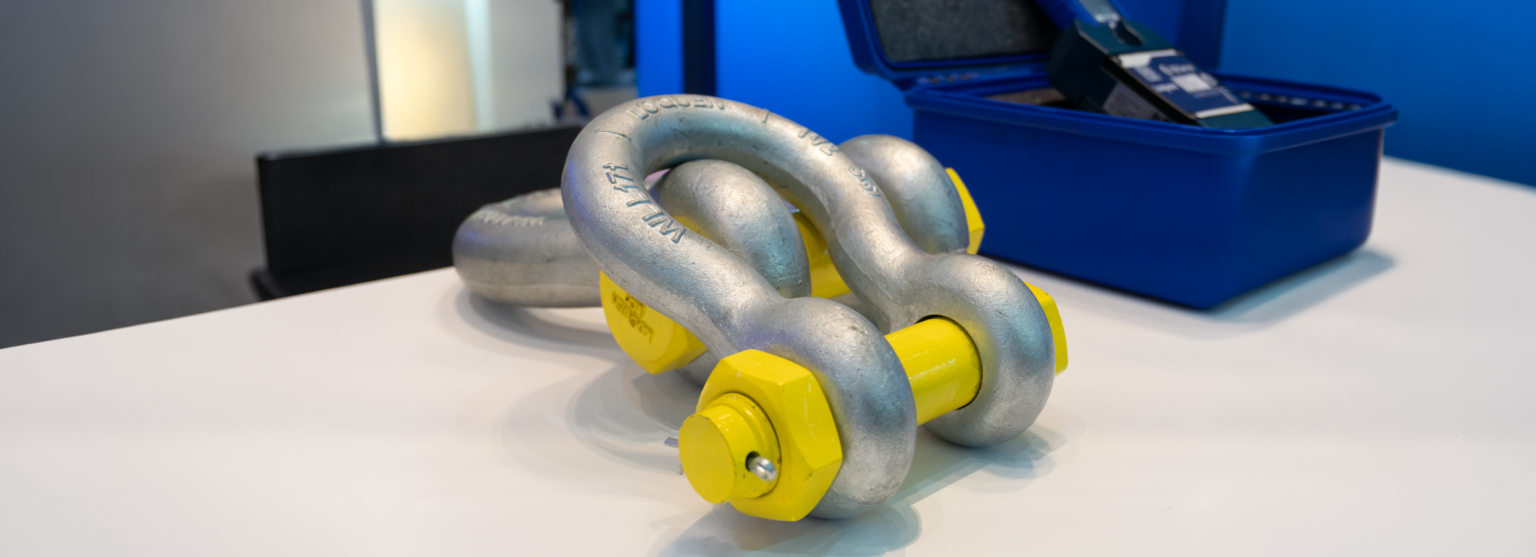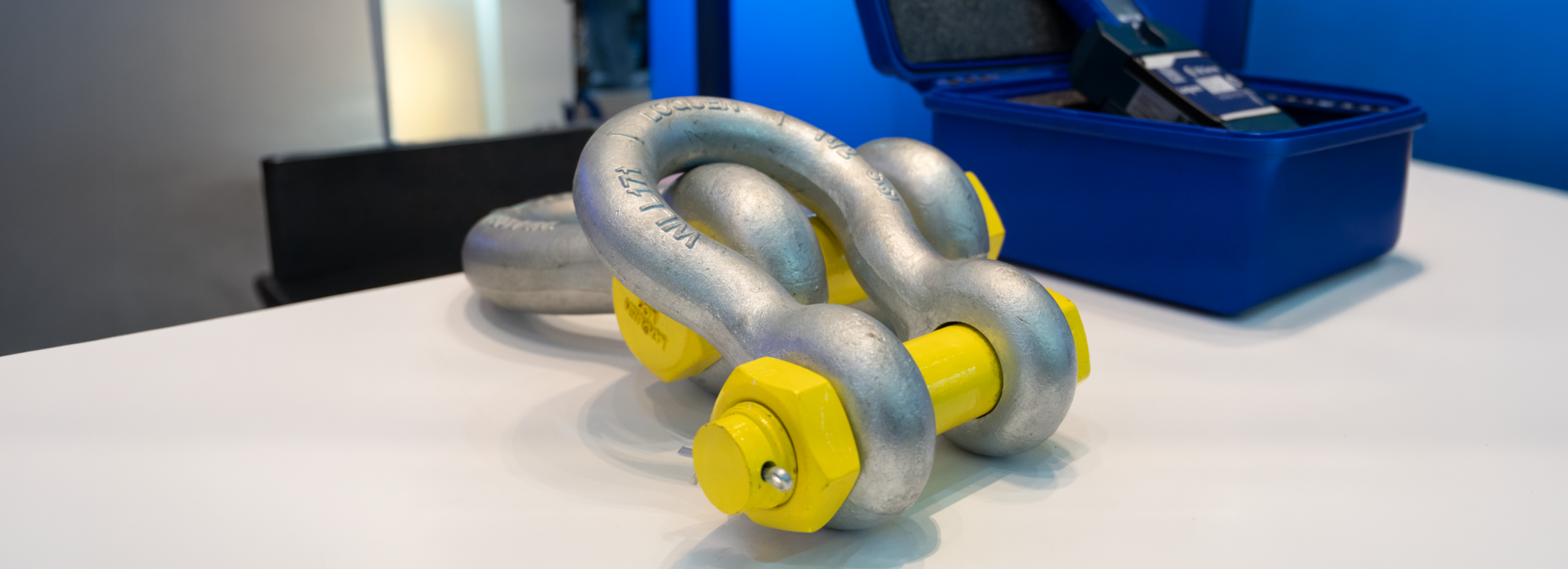
A bow shackle is an essential component in lifting and load-handling systems. Its geometry allows rigging accessories to be connected in different configurations, providing greater flexibility when assembling lifting systems and arranging connection points.
Designed for demanding industrial applications, the Loquen LQ-710 bow shackle combines a functional design, corrosion protection and a locking system featuring a safety bolt and cotter pin.
Learn how it works, its main advantages and what to consider for safe use.
What Is a Bow Shackle?
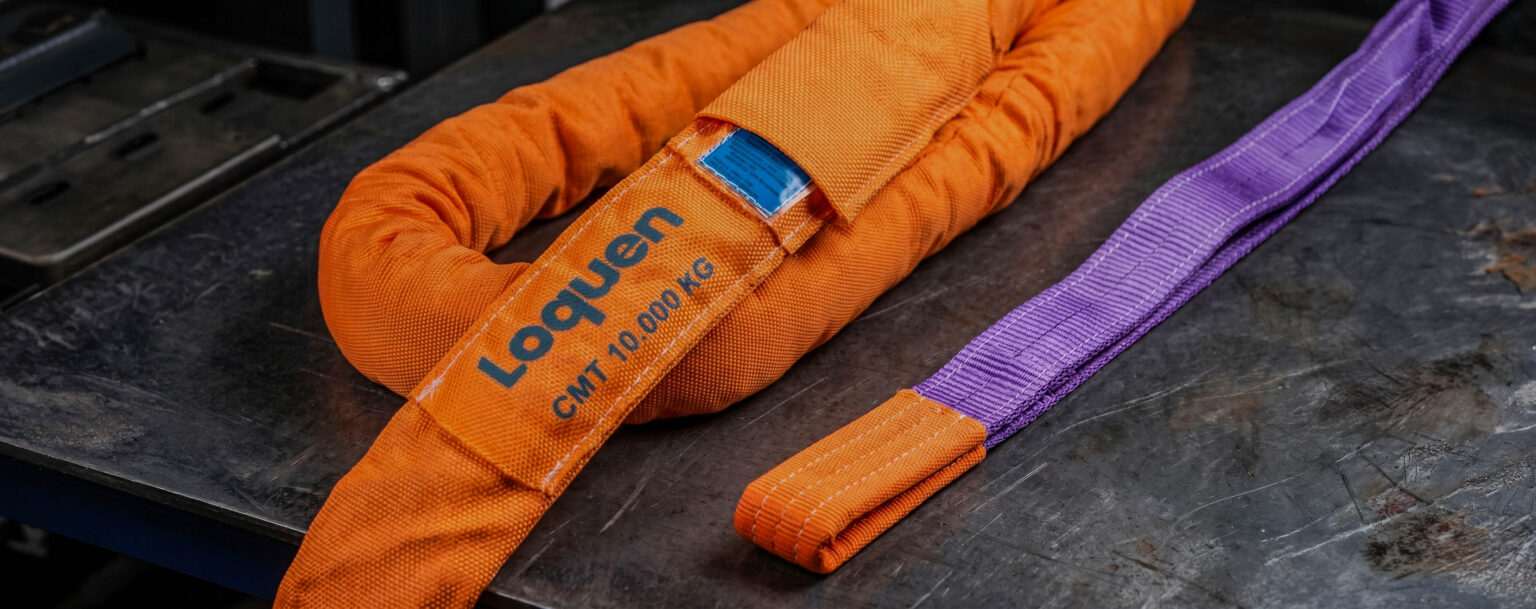
A shackle is a connecting component used between a load and lifting accessories. It can connect components such as synthetic slings, lifting slings and other accessories to a connection point within the system.
The main characteristic of a bow shackle is its curved body, which provides a wider internal opening to accommodate different connection configurations.
This design is particularly useful when more than one accessory needs to be connected at the same point or when wider slings need to be accommodated, provided the assembly complies with the manufacturer’s limits and guidelines.
What Are the Advantages of a Bow Shackle?
The curved shape offers practical benefits when assembling load-handling systems.
Greater application flexibility: Accommodates configurations with different sling angles, within the limits permitted for the equipment and lifting system.
Multiple connections at a single point: In suitable applications, allows two lifting slings to be connected at the same point without overlapping.
Better accommodation of synthetic slings: The wider internal opening helps accommodate wider slings, reducing the risk of improper compression caused by an incompatible connection.
These features help adapt the assembly to the operational requirements. However, the curved design does not eliminate the need to assess angles, the forces involved and compatibility between accessories. The permissible load depends on the conditions of use and applicable technical guidelines.
Meet the Loquen LQ-710 Bow Shackle
The LQ-710 series was developed for lifting and load-handling operations in industrial and offshore applications. Its design combines surface protection, mechanical locking and a wide range of working load limits.
Corrosion Protection
The shackle body is hot-dip galvanized, while the pin features a yellow electrostatic coating. These finishes help protect against oxidation and wear, which is particularly important in industrial and marine environments.
Equipment selection must also account for the actual exposure conditions and the inspection and maintenance requirements of the operation.
Safety Bolt with Cotter Pin
The LQ-710 features a safety bolt and cotter pin, forming a locking system designed to reduce the risk of the pin loosening or accidentally coming free during load-handling operations.
The assembly must be correctly installed and secured before each use. Never replace the original pin with ordinary bolts or improvised components.
Working Load Limits for Different Applications
The LQ-710 range includes 19 size variations, from 3/16 to 3½ inches, with Working Load Limits (WLL) ranging from 0.33 to 120 tonnes, depending on the model.
This range allows users to select a shackle according to the required capacity and connection dimensions. Selection should not be based solely on the apparent size of the component: always check the WLL marked on the equipment and confirm compatibility with the other components in the system.
The main technical specifications provided by Loquen are:
| Feature | Specification |
|---|---|
| Series | LQ-710 |
| Type | Bow shackle with safety bolt |
| Size range | 3/16 to 3½ inches |
| Working Load Limit (WLL) | 0.33 to 120 tonnes |
| Safety factor | 6:1 |
| Proof load | 2 × WLL |
| Stated breaking load | 6 × WLL |
| Body finish | Hot-dip galvanized |
| Pin finish | Yellow electrostatic coating |
| Locking system | Safety bolt and cotter pin |
Data based on the official Loquen product page and the LQ-710 technical catalogue (PDF).
Important: The proof load and breaking load are not working capacities. The WLL specified for each model is the reference for equipment selection, subject to the conditions of use established by the manufacturer.
How to Use a Bow Shackle Safely
The safety of a lifting system depends on the equipment’s characteristics, as well as its correct installation, use and inspection.
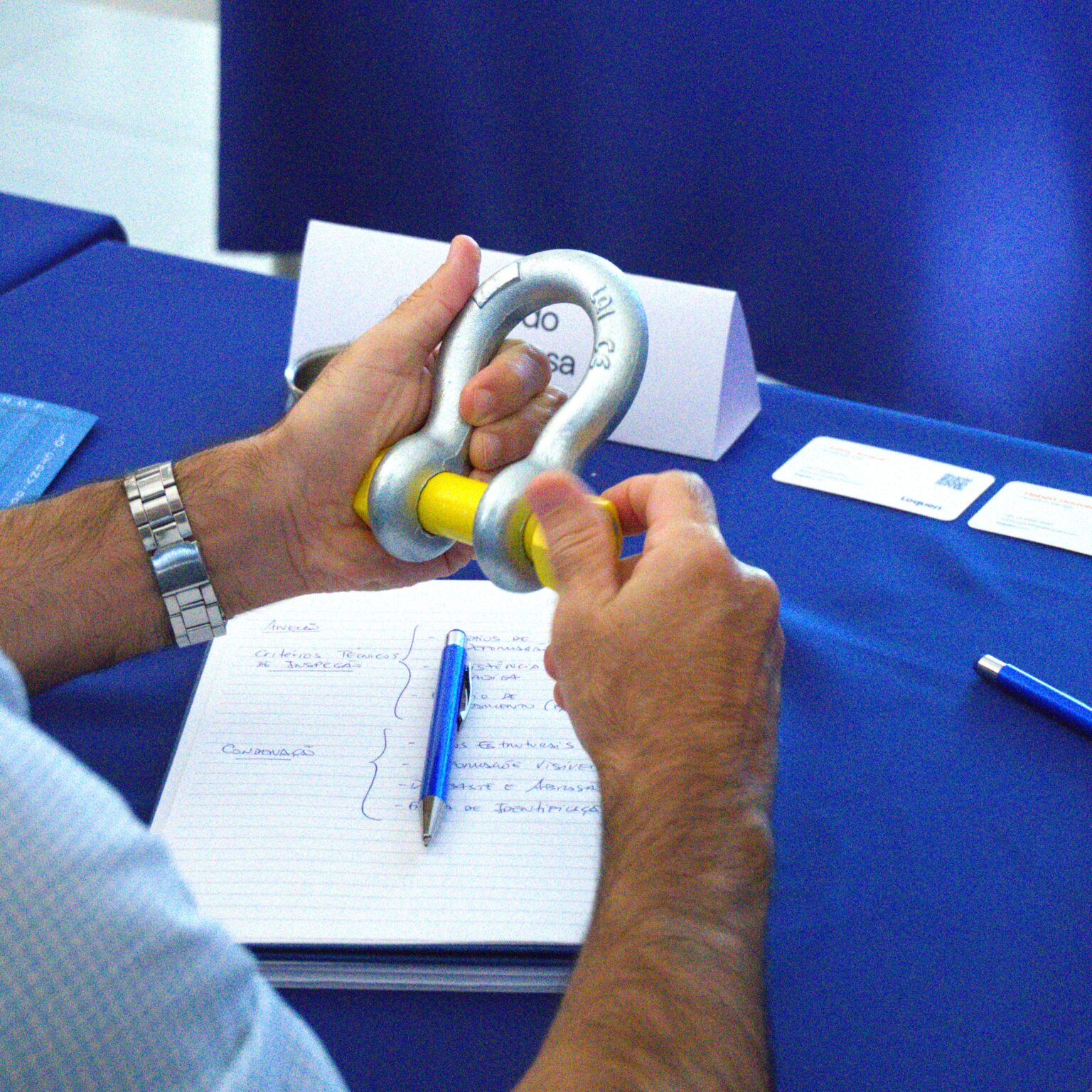
Before using a shackle, check the following points:
- Identification: Ensure the markings on the body and pin are legible and allow the equipment and its capacity to be identified.
- Physical condition: Look for signs of wear, deformation, cracks, fractures, notches or corrosion.
- Pin and locking system: Check that the pin is correctly installed and secured, with the cotter pin in place.
- Compatibility: Confirm that the shackle is suitable for the load, connected accessories and intended lifting configuration.
- Manufacturer’s instructions: Follow the load limits, permitted angles, and inspection and operating procedures.
Shackles with missing identification, pins that are difficult to fit, wear exceeding 10% of the original dimension, deformation, cracks or corrosion must be removed from service for assessment in accordance with applicable technical criteria and operational procedures.
Visual inspection is an important step, but it does not replace the inspection procedures established for the equipment and the task.
Marking and Traceability: Why Do They Matter?
Markings make it possible to verify the equipment’s characteristics and track its identification throughout the operation.
Loquen’s technical materials highlight the importance of checking information such as the manufacturer’s identification, grade, WLL and traceability code, as well as the applicable markings on the pin.
This information helps confirm that the selected shackle matches the required specification and can be traced in accordance with the company’s control procedures. For this reason, missing or illegible markings must not be overlooked.
How to Choose the Right Shackle for Your Operation
Selection starts with an assessment of the load and the lifting configuration. Consider the required WLL, connection geometry, accessories used, angles involved and operating environment.
A bow shackle can be a suitable choice when the assembly requires more space to accommodate slings or multiple connections. In applications where the load is primarily aligned in a straight line, a straight (D-type) shackle may be better suited to the intended configuration.
The key is to select the appropriate model and use it within the specified conditions. In load-handling operations, shape, capacity and locking must work together.
The Loquen LQ-710 range offers different sizes and capacities for industrial and offshore applications. Consult the product specifications to identify the model that meets your operational requirements.
Discover the Loquen LQ-710 bow shackle: Visit the product page